
The University of Pittsburgh is a national leader in cancer research, bringing together more than 300 faculty members across its schools of Medicine, Pharmacy, Arts and Sciences, and Public Health who are united by a shared mission: understanding, preventing, and curing cancer.
Supported by more than $1 billion in annual research expenditure and consistently ranked among the top 10 recipients of NIH funding since 1998, Pitt offers industry partners a uniquely integrated and multidisciplinary partner — from basic science to clinical translation, and from molecular targets to population-scale data through our clinical partner, UPMC's 4.1 million-member health system.
We are proud to bring this momentum to the AACR Annual Meeting 2026, where Pitt investigators will present cutting-edge findings, lead collaborative sessions, and engage with the global cancer research community. Explore our presentations, connect with our faculty, and discover how the University of Pittsburgh is shaping the future of oncology.
UPMC Hillman Cancer Center
The UPMC Hillman Cancer Center, one of 57 NCI-designated Comprehensive Cancer Centers in the nation and the only such center in western Pennsylvania.
Magee-Womens Research Institute (MWRI)
MWRI, the largest research institute in the U.S. devoted exclusively to women's health research. Through the Women's Cancer Research Center, a joint collaboration between UPMC Hillman Cancer Center and MWRI, researchers focus on reducing the incidence of and death from women's cancers, with a particular emphasis on breast and ovarian cancers.

Computational Pathology and AI Center of Excellence (CPACE)
CPACE, which entered a $10 million partnership with Leidos in 2025 to develop AI-powered tools for faster detection of heart disease and cancer, and is working to become the gold standard for clinical and quality studies, innovation, education, and ethical governance in AI and machine learning applied to pathology and laboratory medicine

Institute for Precision Medicine (IPM)
IPM, a collaboration between the University of Pittsburgh and UPMC that facilitates the movement of biomedical research into personalized clinical care, helping researchers and clinicians discover clinically actionable features of disease risk, treatment effectiveness, and disease progression, with activities spanning genomic medicine, pharmacogenomics, and a dedicated Precision Medicine Clinic.

Faculty Presentations at AACR 2026
Educational Session - Tumor Immunology For Non Immunologists: Back to Basics
Chair Introduction & Tumor-induced immune suppression and its targeting with checkpoint blockade

Greg M. Delgoffe, PhD
Professor, Department of Immunology,
Cancer Immunology and Immunotherapy Program, UPMC Hillman Cancer Center
10:00 AM - 10:05 AM & 10:05 AM - 10:25 AM
Educational Session - Where Expedited Pathways, Innovation, Safety, and Patient Access Collide: A KRAS Case Study
Panelist

Mark R. Wicclair, PhD,
Adjunct Professor of Medicine, Division of General Internal Medicine
Co-Chair, UPMC Committee for Oversight of Research Involving the Dead (CORID)
1:00 PM - 2:00 PM
Clinical Trials Minisymposium - Aiming for Cure: Perioperative Clinical Trials
Whole-exome sequencing tumor-informed circulating tumor DNA detection after completion of neoadjuvant treatment predicts non-pCR and distant recurrence in patients with early triple-negative breast cancer (TNBC) — Results from a sub-study of the NSABP B-59/GBG-96-GeparDouze Trial
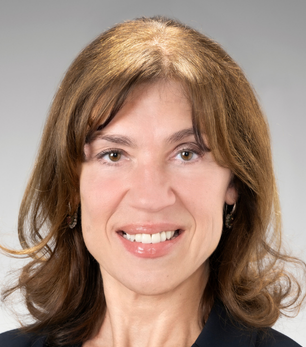
Marija Balic, MD, PhD, MBA,
Professor of Medicine,
Co-director, Magee Women's Cancer Program and Women's Cancer Research Center (WCRC),
Scientific Director, NSABPF Foundation Translational Research Program
1:06 PM - 1:16 PM
Educational Session - Continuous Oncology: Wearables, Digital Biomarkers, and the Future of Cancer Interception
Consumer wearable devices for remote patient monitoring during cancer treatment

Carissa A. Low, PhD,
Associate Professor of Hematology/Oncology,
Associate Professor of Psychology
2:35 PM - 2:55 PM
Minisymposium - Liquid Biopsy Frontiers: ctDNA, Fragmentomics, and MRD to Guide Precision Oncology
Feasibility of plasma ctDNA for detecting brain metastasis-specific alterations in lung cancer

Laura A. Stabile, PhD,
Research Associate Professor, Department of Pharmacology & Chemical Biology
3:20 PM - 3:35 PM
Major Symposium - Immunometabolism in Cancer
Chair Introduction & Mitochondrial reprogramming in T cell exhaustion
Greg M. Delgoffe, PhD
Professor, Department of Immunology
Cancer Immunology and Immunotherapy Program, UPMC Hillman Cancer Center
10:15 AM - 10:20 AM & 10:45 AM - 11:05 AM
Clinical Trials Minisymposium - Focus on ctDNA
Early findings from MONITOR-Breast: ctDNA dynamics during neoadjuvant therapy using an ultrasensitive MRD assay

Julia Foldi, MD, PhD,
Assistant Professor of Medicine
2:50 PM - 3:00 PM
Late-Breaking Poster Session - Late-Breaking Research: Population Sciences
Early postoperative liver outcomes differ by bariatric surgery procedure in multi-site cohort study

Sindhu Karnam, BS, MPH,
PhD Candidate, Department of Epidemiology
2:00 PM - 5:00 PM
Minisymposium - Metabolic Signaling and Therapeutic Vulnerabilities in Cancer
Metabolite signaling drives oncogenic neuron-glioma crosstalk

Kalil G. Abdullah, MD, MSc,
Assistant Professor, Department of Neurological Surgery
Director, Translational Neuro Oncology
2:35 PM - 2:50 PM
Major Symposium - Radioligand Therapy: Immunity and Biological Mechanisms
Development of immunostimulatory RLT to enhance efficacy of immunotherapeutic regimens

Ravi Patel, MD, PhD,
Assistant Professor, University of Pittsburgh Department of Radiation Oncology
Director of Radiopharmaceuticals, UPMC Hillman Cancer Center
11:00 AM - 11:20 AM
Poster Presentations at AACR 2026
Poster Session - Application of Bioinformatics to Cancer Biology 1
Characterizing tumor-stroma interfaces in chemotherapy-treated ovarian cancer via spatial transcriptomics
Po-Yuan Chen, PhD,
Health Sciences Research Fellow, UPMC Hillman Cancer Center
2:00 PM - 5:00 PM
Poster Session - Digital Pathology 1
Histologic stratification of hepatocellular carcinoma using deep learning informed by spatial transcriptomics
Tyler Yasaka,
MD/PhD Student, Department of Pathology
2:00 PM - 5:00 PM
Poster Session - Spatial Proteomics and Transcriptomics 1
FGFR2 translocated sinonasal adenocarcinoma: A biphasic seromucinous adenocarcinoma with a distinctive and targetable molecular phenotype
Diana M. Bell, MD,
Professor of Pathology and Otolaryngology, Division of Anatomic Pathology
2:00 PM - 5:00 PM
Poster Session - Molecular Pathology
Robust segmentation-free stain quality concordance metrics in the SpaceIQ™ multi-omic analysis platform
Chakra Chennubhotla, PhD
Adjunct Faculty, Department of Computational and Systems Biology
Chief Executive Officer, PredxBio, Inc., Pittsburgh, PA
2:00 PM - 5:00 PM
Poster Session - Integrative Computational Approaches 1
Unifying molecular structure and cellular morphology to enhance drug-target interaction modeling in cancer
Ying-Ju Lai,
PhD Student, UPMC Hillman Cancer Center
9:00 AM - 12:00 PM
Spatial microdomains from histology reveal multi-omic biomarkers for enhanced idiopathic pulmonary fibrosis diagnosis
Chakra Chennubhotla, PhD,
Adjunct Faculty, Department of Computational and Systems Biology
Chief Executive Officer, PredxBio, Inc., Pittsburgh, PA
9:00 AM - 12:00 PM
Poster Session - Innate Immunity in Cancer
Surgery-induced long term innate immune changes facilitate tumor progression
Zhengyi He,
Student, Department of Surgery
9:00 AM - 12:00 PM
Poster Session - Metabolic Regulation in Breast and Gynecologic Cancers
Ovarian cancer drives mitochondrial dysfunction via WT1 in tumor associated stroma
Roja Baruwal,
PhD Student, UPMC Hillman Cancer Center
9:00 AM - 12:00 PM
Poster Session - Biomarkers of Endogenous or Exogenous Exposures, Early Detection, Biological Effects, and Prognosis
Environmental exposures, metabolomic profiles and mutational signatures in never and ever smokers with lung cancer
Kathryn Demanelis, PhD,
Research Assistant Professor, Department of Medicine
9:00 AM - 12:00 PM
Poster Session - Integration of Clinical and Research Data
An interactive web platform for integrative analysis of drug responses in polyploid giant cancer cells
Li-Ju Wang, MS,
Senior Bioinformatics Scientist, UPMC Hillman Cancer Center
2:00 PM - 5:00 PM
Poster Session - Large Language Models in the Clinic
Large language model-derived re-contextualization reveals functional landscapes across cancers
Yibing Guo,
PhD Student, UPMC Hillman Cancer Center
2:00 PM - 5:00 PM
Poster Session - Combination Immunotherapies
The safety of PARP inhibitors combined with immune checkpoint inhibitors versus immune checkpoint inhibitor monotherapy: A systematic review, meta-analysis, and trial sequential analysis of randomized controlled trials
Anwaar Saeed, MD,
Associate Professor, Department of Medicine
Chief, Gastrointestinal Medical Oncology Program
2:00 PM - 5:00 PM
Poster Session - Phase II and Phase III Clinical Trials
Reducing nausea and vomiting while maintaining the full potential for efficacy with spevatamig, a CLDN18.2xCD47 bispecific antibody
Resolved hematological toxicities associated with anti-CD47 agents using a bispecific design involving an optimized anti-CD47 arm: A clinical proof of concept study
Pharmacokinetics of spevatamig (PT886), a bispecific antibody targeting CLDN18.2 and CD47, in patients with advanced gastrointestinal cancers as monotherapy or combination therapy
Anwaar Saeed, MD,
Associate Professor, Department of Medicine
Chief, Gastrointestinal Medical Oncology Program
2:00 PM - 5:00 PM
Poster Session - Overcoming Chemotherapy Resistance
Defining the role of nucleolar stress in mediating DDB2 induced oxaliplatin resistance in colorectal cancer
Vinod Kumar, PhD,
Research Instructor, Pharmacology and Chemical Biology
2:00 PM - 5:00 PM
Poster Session - Immune Mechanisms Invoked by Other Therapies and Exposures
Sweet boost: Sucralose enhances regulatory T cell (Treg) functions in vitro
Sadhana Bom,
MD/PhD Student, Department of Immunology
2:00 PM - 5:00 PM
Poster Session - Immune Checkpoints
Intragenic rearrangement burden: A novel biomarker to predict immune checkpoint blockade response in TMB-low cancers
Xiaosong Wang, MD, PhD,
Associate Professor, Department of Pathology, UPMC Hillman Cancer Center
2:00 PM - 5:00 PM
Poster Session - Digital Pathology 3
Graph theoretic spatial heterogeneity analysis of multiplexed immunofluorescence images enables quantitative differentiation of HGSC precursor lesions in the fallopian tube
Thomas Jacob,
PhD Student, Department of Computational & Systems Biology
9:00 AM - 12:00 PM
Poster Session - Machine Learning Approaches for Cancer Prediction
Predicting immunotherapy response in patients with hepatocellular carcinoma from clinical and textual features using AI techniques
Anwaar Saeed, MD,
Associate Professor, Department of Medicine
Chief, Gastrointestinal Medical Oncology Program
9:00 AM - 12:00 PM
Early prediction of engraftment outcomes in hematopoietic cell transplantation using neural ordinary differential equations
Parham Habibzadeh, MD,
Internal Medicine Resident, Department of Medicine
9:00 AM - 12:00 PM
Poster Session - Phase II and Phase III Clinical Trials in Progress
Adaptive phase 2/3 study of EIK1001, a TLR7/8 dual agonist, in combination with pembrolizumab, as first-line therapy in participants with advanced melanoma (Teluride-006)
Diwakar Davar, MD,
Associate Professor, Department of Medicine
Clinical Director, Melanoma and Skin Cancer Program
9:00 AM - 12:00 PM
Poster Session - Spatial Proteomics and Transcriptomics 3
Deriving high-fidelity, low-plex clinical signatures from ultra-high-plex spatial data for immunotherapy response prediction
An end-to-end quality control pipeline for spatially resolved molecular imaging data in the multi-omic SpaceIQ™ platform
Chakra Chennubhotla, PhD
Adjunct Faculty, Department of Computational and Systems Biology
Chief Executive Officer, PredxBio, Inc., Pittsburgh, PA
2:00 PM - 5:00 PM
Poster Session - Molecular Targets 2
Cbx5 as a potential target to enhance immunotherapy in small cell lung cancer
Hua Zhang, MD, PhD,
Assistant Professor, Department of Medicine, UPMC Hillman Cancer Center
2:00 PM - 5:00 PM
Poster Session - Genomics, Proteomics, Biomarkers, and Risk Stratification
Detection of ectopic phosphorylated PDGFRA antibodies in the serum samples of HCC patients
Jianhua Luo, MD, PhD,
Professor, Department of Pathology, UPMC Endowed Chair of Molecular Carcinogenesis
2:00 PM - 5:00 PM
Poster Session - Mechanisms of Metastasis
SOX2-LGR5 signaling mediates ovarian cancer cell survival in response to loss of anchorage
Shriya Kamlapurkar,
PhD Student, Department of Molecular Pharmacology
2:00 PM - 5:00 PM
Poster Session - New Algorithms and Computational Methods
Unbiased cell type identification and biological interpretation of spatial molecular data
Chakra Chennubhotla, PhD
Adjunct Faculty, Department of Computational and Systems Biology
Chief Executive Officer, PredxBio, Inc., Pittsburgh, PA
9:00 AM - 12:00 PM
Poster Session - Real World Impact of Prognostic and Predictive Parameters
Fusion gene machine learning models improve clinical outcome prediction of hepatocellular carcinoma
Jianhua Luo, MD, PhD,
Professor of Pathology, UPMC Endowed Chair of Molecular Carcinogenesis, Division of Experimental Pathology
2:00 PM - 5:00 PM
Poster Session - Translational Biomarkers and Emerging Molecular Approaches
Performance analysis of a novel PD-L1 CAL10 assay in esophageal cancer
Ibrahim Abukhiran, MD,
Assistant Professor, Department of Pathology
9:00 AM - 12:00 PM
Poster Session - Microenvironmental Determinants of Therapy Response and Resistance 2
Decoding tumor microenvironment heterogeneity through spatial microdomains and network biology to predict immunotherapy outcomes
Chakra Chennubhotla, PhD
Adjunct Faculty, Department of Computational and Systems Biology
Chief Executive Officer, PredxBio, Inc., Pittsburgh, PA
9:00 AM - 12:00 PM
Poster Session - Functional and Spatial Regulation of Immune Evasion and Anti-Tumor Immunity
A cancer cell-intrinsic PAR1/MALT1/PD-L1 signaling pathway drives immune evasion in triple-negative breast cancer
Dong Hu, PhD,
Research Assistant Professor, Division of Experimental Pathology
9:00 AM - 12:00 PM
Poster Session - Therapeutic Modulation of the Tumor Microenvironment: New Targets and Approaches 2
Integrated bulk and single cell transcriptomics reveal PARL as a mitochondrial regulator associated with immunometabolic reprogramming and favorable prognosis in lung squamous cell carcinoma
Anwaar Saeed, MD,
Associate Professor, Department of Medicine
Chief, Gastrointestinal Medical Oncology Program
9:00 AM - 12:00 PM
Selected Research Publications Overview
This collection of recent publications (2024–2026) from University of Pittsburgh researchers highlights advances across tumor immunology, T-cell biology, novel therapeutic strategies, and clinical oncology.
Anti-Angiogenic and Tumor Microenvironment Strategies
This study demonstrates that targeting the profilin1–actin interaction with a small molecule can suppress tumor angiogenesis in renal cell carcinoma, providing preclinical validation for this pathway as a druggable anti-angiogenic target.
Immunogenomics and Immune Checkpoint Biology
- Leonard-Murali, Shravan, et al. Nature Communications 15.1 (2024)
- Cillo, Anthony R., et al. Cell 187.16 (2024)
These two papers address immune checkpoint dynamics and predictive immunogenomics. The Leonard-Murali study uses genomic profiling of uveal melanoma to identify determinants of immunotherapy resistance and susceptibility. The Cillo study reveals that dual LAG-3/PD-1 blockade induces a unique CD8+ T-cell state co-expressing cytotoxic and exhaustion programs, offering mechanistic insight into combination checkpoint therapy.
T-Cell Engineering and Dysfunction
- Frisch, Andrew T., et al. Cell Metabolism 37.4 (2025)
- Rivadeneira, Dayana B., et al. Immunity 58.10 (2025)
These studies address fundamental barriers to effective T-cell therapy. Frisch et al. show that manipulating glucose metabolism during ex vivo T-cell expansion yields cells with superior epigenetic and metabolic fitness for adoptive therapy. Rivadeneira et al. uncover a mechanism by which oxidative stress causes telomere instability, driving T-cell dysfunction in the tumor microenvironment.
Novel Immunotherapeutics and Targeted Delivery
Luo et al. describe a CD44-targeted nanocarrier that delivers iRhom1 inhibition to improve the efficacy of combined immuno- and chemotherapy, illustrating the potential of targeted delivery platforms to enhance combination regimens.
Shin et al. developed fully human bispecific NK cell engagers that reactivate both innate and adaptive immune killing in solid tumors, capable of suppressing tumor growth both as a monotherapy and in combination with pertuzumab.
Together, these two studies reflect Pitt’s capabilities of advancing combination immuno-oncology strategies across the full therapeutic delivery and biologics spectrum from precision nanocarrier platforms to next-generation checkpoint antibodies.
Microbiome and Immunotherapy Interactions
This study reveals that the artificial sweetener sucralose disrupts the gut microbiome in a manner that ablates cancer immunotherapy responses, adding to the growing body of evidence linking dietary factors and microbiome composition to treatment outcomes.
Clinical Oncology
This clinical trial investigates whether regional nodal irradiation can be safely omitted in breast cancer patients who respond to neoadjuvant chemotherapy, addressing a key question in treatment de-escalation and quality of life.


